

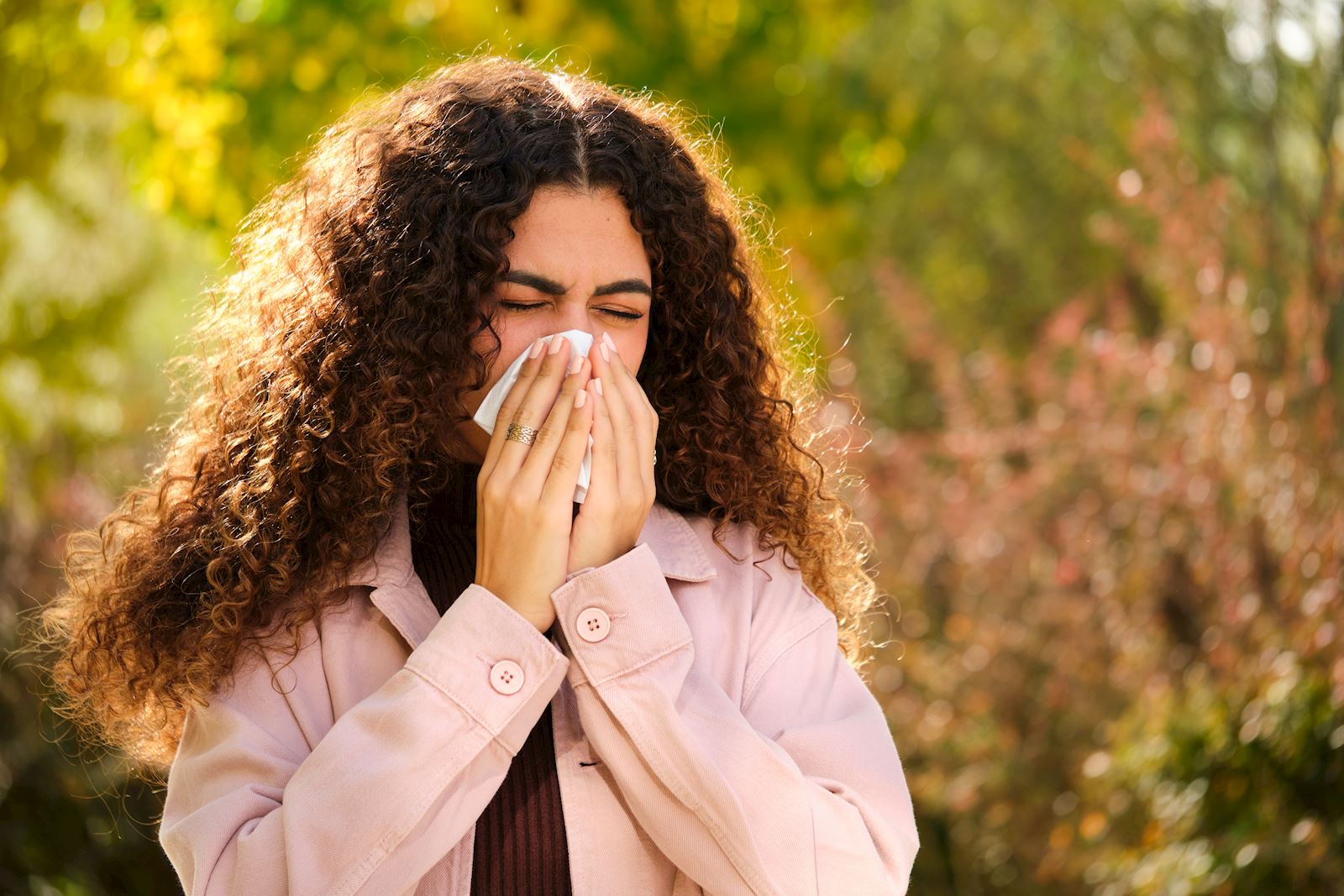
When temperatures rise and trees begin to bloom, many Iowans look forward to spending more time outdoors. But for millions of Americans, spring also signals the return of sneezing, congestion, itchy eyes, fatigue, and worsening asthma symptoms.
Spring allergies – also known as seasonal allergic rhinitis – are most commonly triggered by tree pollen. In central Iowa, elm, birch, oak, and cottonwood trees are frequent culprits.
“Tree pollen is typically the first major allergen of the year,” says allergy immunologist Dr. Jennifer Petts. “And because it’s wind-borne, it can travel for miles. Even if there aren’t trees in your immediate yard, you can still be exposed.”
Why Spring Allergies Feel So Intense
When someone with allergies inhales pollen, their immune system mistakenly identifies it as harmful. That triggers the release of histamine and other chemicals, leading to inflammation in the nose, sinuses, eyes, and airways.
Symptoms often include:
- Sneezing
- Nasal congestion
- Runny nose
- Itchy or watery eyes
- Postnasal drip
- Fatigue
- Asthma flare-ups in some patients
“The inflammation doesn’t just stay in your nose,” Dr. Petts explains. “It can affect sleep quality, concentration, and overall energy levels. That’s why untreated allergies can really impact daily life.”
The Key: Start Treatment Early
One of the most common mistakes allergy sufferers make is waiting until symptoms are severe before beginning medication.
“If you know your symptoms return every spring, starting treatment one to two weeks before pollen counts rise can dramatically reduce how intense your reaction will be,” says Dr. Petts.
Many allergy medications are most effective when used consistently and proactively. Starting early helps calm inflammation before symptoms escalate.
To stay ahead of allergy season, Dr. Petts recommends to:
- Begin medications before symptoms peak. If seasonal allergies are predictable for you, start over-the-counter or prescribed treatments several weeks before pollen levels typically rise. Preventing inflammation early often leads to milder symptoms overall.
- Use treatments properly and consistently. Antihistamines can ease sneezing and itching, while nasal steroids reduce swelling inside the nose but may take several days to reach full effect. Saline sprays or rinses can help flush allergens from nasal passages.
- Monitor pollen levels and plan accordingly. Many weather apps track daily pollen counts. On high-count days, limit prolonged outdoor exposure when possible.
- Keep indoor air clean. Use air conditioning with a clean filter and keep windows closed in your home and car to reduce pollen entering your space.
- Rinse off after outdoor time. Pollen clings to hair, skin, and clothing. Showering and changing clothes can help prevent allergens from spreading indoors.
- Wash bedding regularly. Sheets and pillowcases can collect pollen, especially during peak season.
- Support your immune system. Adequate sleep and proper hydration can help your body respond more effectively to allergens.
- Stay on top of asthma management. For patients with asthma, spring allergies can worsen breathing symptoms, making it especially important to follow your asthma care plan.
If over-the-counter medications are not enough, prescription treatments or allergy immunotherapy (allergy shots) may be recommended.
“Small environmental changes can significantly reduce your overall allergen load,” Dr. Petts says. “When we combine avoidance strategies with the right medications, patients often feel much more in control.”
When to See an Allergy Specialist
If spring allergies interfere with sleep, work performance, or asthma control – or if symptoms persist despite over-the-counter treatment – it may be time for allergy testing. Skin-prick testing can identify specific triggers and help guide a personalized treatment plan.
For more information or to schedule an appointment with a board-certified allergist, call 515.875.9450 or schedule online.

JenniferPetts , DO, FAAAAI
Jennifer Petts, DO joined The Iowa Clinic to be a part of an organization where she would be proud to work with other physicians that help provide the best care for her patients. A West Des Moines native, Dr. Petts completed her medical degree at Kansas City University of Medicine, and later did her residency and fellowship at The University of Iowa.
Dr. Petts chose allergy and immunology because of its constant evolving and changing nature and being able to improve her patients’ lives through the different treatment measures available. It is also close to her heart because of her sons’ asthma and peanut allergy.
Outside of work, Dr. Petts enjoys visiting multiple outdoor locations, where she can be found climbing, hiking, and canoeing with her family. She also has a pet slug, Tiger, who they found on one of their climbing trips. Dr. Petts volunteers her time with USA Climbing — Youth Series, where she organizes and runs climbing competitions for youth climbers from multiple states. If Dr. Petts was not a physician, she would have been a climbing or rafting guide.