
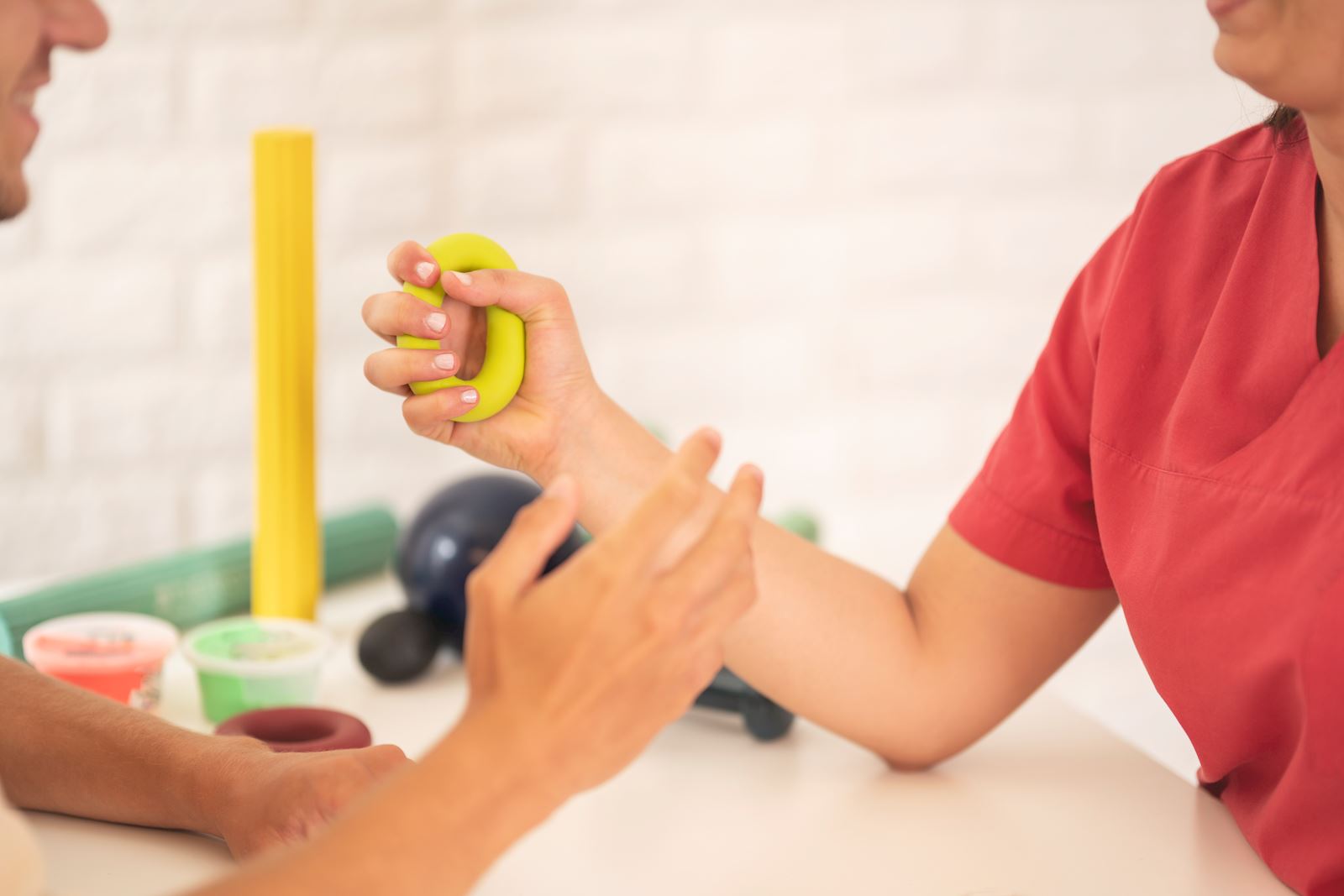
Our hands and wrists are involved in nearly everything we do – from typing and texting to cooking, lifting, and hobbies we enjoy. When pain, stiffness, or weakness sets in, even simple daily tasks can become frustrating. That’s where occupational hand therapy can make a meaningful difference.
What is occupational hand therapy?
Occupational hand therapy is a specialized area of occupational therapy that focuses on injuries and conditions affecting the hands, wrists, and forearms. The goal isn’t just healing – its helping patients regain strength, coordination, and confidence in their everyday movements. Occupational hand therapists use targeted exercises, hands-on techniques, and custom treatment plans designed around each patient’s specific condition and goals.
“Hand therapy is more than just recovery,” says Bryce Browning, OTD, an occupational therapist at The Iowa Clinic. “It’s about helping patients do the things they need and love to do, comfortably and safely.”
Common Hand Injuries Requiring Occupational Therapy
Occupational therapy can help with a wide range of conditions affecting the hands and wrists. Some of the most common include:
- Arthritis
- Trigger finger
- Tendonitis
- Carpal tunnel syndrome
- Peripheral nerve injuries
- Repetitive motion injuries
These conditions may result from overuse, injury, aging, or post-surgical recovery. Regardless of the cause, difficulty using your hands can quickly interfere with daily tasks.
“Even what seems like a minor issue can become frustrating when it affects your hands,” says Bryce. “That’s where therapy can really make a difference.”
How Occupational Hand Therapy Helps
Occupational hand therapy focuses on restoring function in a practical, meaningful way. Treatment plans may include a combination of the following:
Improving Fine Motor Skills
Fine motor skills involve small, precise hand movements – like gripping, pinching, buttoning, or writing. Hand therapy for fine motor skills helps rebuild coordination, strength, and control so patients can manage everyday tasks more easily.
Post-Surgical Hand Rehabilitation
After hand or wrist surgery, post-surgical hand rehabilitation plays a critical role in recovery. Therapy helps reduce stiffness and swelling, protect healing tissues, and gradually restore movement and strength.
Custom Orthotics & Splinting
Custom orthotics or splints may be used to protect injured structures, reduce pain, or support healing. Occupational hand therapists also help patients learn how to function safely while wearing a splint.
Injury Prevention & Activity Modification
Many hand and wrist issues stem from repetitive motions at work or during hobbies. Occupational hand therapy educates patients on ergonomics, proper movement patterns, and injury-prevention techniques to reduce future strain.
Small adjustments – like how you grip, lift, or position your wrist – can significantly reduce symptoms and prevent re-injury.
What to Expect During Occupational Hand Therapy
Your first visit begins with a thorough evaluation to understand your symptoms, limitations, and goals. Your therapist will assess movement, strength, sensation, and how your condition affects daily tasks.
From there, your therapy plan is fully customized.
“If you work at a computer, we’ll focus on typing and mouse use,” Bryce says. “If you enjoy hobbies like gardening, cooking, or crafting, we’ll build therapy around those movements.”
As you progress, therapy evolves to support increased strength, improved coordination, and greater independence – helping you return to daily life with confidence.
You Don’t Have to Put Your Life on Hold
Hand and wrist injuries can feel especially limiting – but you don’t have to wait until you’re fully healed to start regaining independence. Occupational hand therapy helps you adapt, recover, and move forward safely during every stage of healing.
“Our goal is to help patients feel capable again,” says Bryce. “When you can use your hands comfortably, it changes everything.”
If you’re experiencing ongoing hand or wrist pain, stiffness, or difficulty with daily tasks, occupational hand therapy may be right for you. Call 515.875.9706 or schedule an appointment online to get back on the road to recovery.

BryceBrowning , OTD
Bryce Browning, OTD, OTR/L, brings nearly two years of experience specializing in outpatient hand therapy to The Iowa Clinic. Passionate about helping patients regain their independence and sense of identity, Bryce enjoys seeing the joy on a patient’s face when they can perform everyday tasks again, such as cutting food or washing their hair. He views hands as vital tools in our daily lives and loves witnessing the progress his patients make throughout their healing journey.
Outside of work, Bryce enjoys spending time with his fiancée and pitbull, working out, playing video games, visiting zoos, watching the Denver Broncos, and exploring new restaurants. If Bryce weren’t an occupational therapist, he might have pursued a career as a zookeeper.