
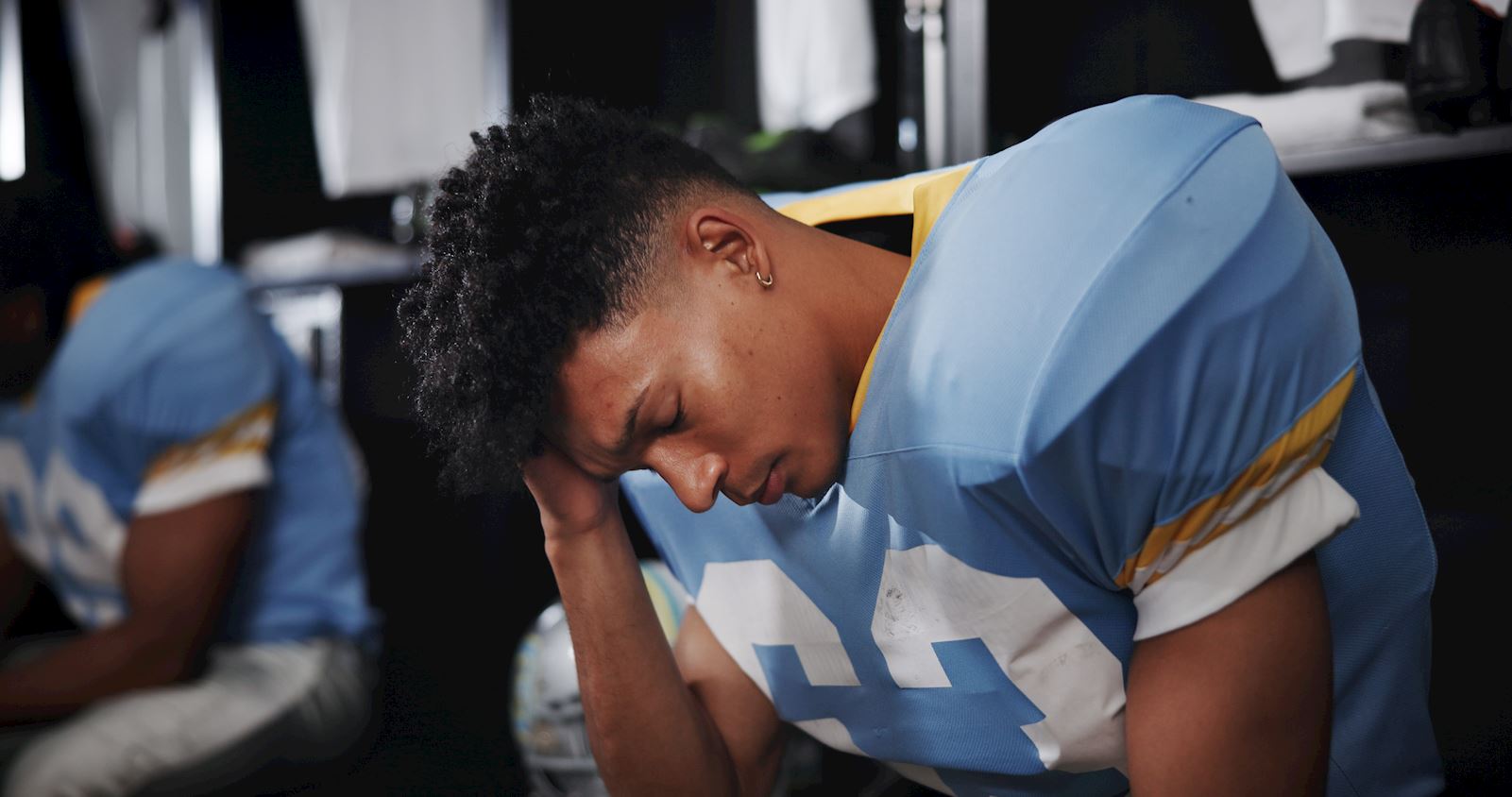
A concussion can happen in an instant – during a fall, a car accident, or a hit during sports. While many people focus on recognizing the symptoms of a concussion, understanding what recovery looks like afterward is just as important.
A concussion is a type of mild traumatic brain injury that affects how the brain functions. Most people recover fully, but the process takes time, rest, and careful monitoring of symptoms. Trying to push through symptoms or return to normal activities too quickly can slow recovery and increase the risk of additional injury.
“Every concussion is different,” says Dr. Caleb Holder, family medicine and sports medicine physician at The Iowa Clinic. “Some patients recover within a few days, while others may take weeks. The key is giving your brain the time it needs to heal.”
Understanding what to expect during recovery can help patients, parents, and athletes take the right steps toward a safe return to normal activities.
Common Symptoms During Concussion Recovery
Symptoms of a concussion can appear immediately after a head injury or develop hours later. In many cases, symptoms change during the recovery process as the brain begins to heal.
Common concussion symptoms include:
- Headaches
- Dizziness
- Nausea
- Fatigue
- Sensitivity to light or noise
- Difficulty concentrating
- Memory problems
- Irritability
- Changes in sleep patterns
These symptoms may improve gradually over time, though it’s not unusual for some days to feel better than others.
“Concussion symptoms can fluctuate,” Dr. Holder explains. “Patients may feel better one day and worse the next, especially if they push themselves too hard physically or mentally.”
How Long Does It Take to Recover from a Concussion?
For many adults, concussion symptoms improve within 7–14 days. However, recovery timelines can vary based on the severity of the injury, the patient’s age, and whether they have experienced previous concussions. Even mental health plays a role.
Children and teenagers often require more time for their brains to recover. In some cases, symptoms may last several weeks. This is sometimes referred to as post-concussion syndrome, where symptoms persist longer than expected.
Recovery doesn’t always follow a straight path. Some people notice steady improvement over time, while others may experience periods where symptoms get worse before improving again. Activities that require intense focus or physical exertion can sometimes trigger symptoms like headaches, dizziness, or fatigue during the healing process.
Factors such as sleep quality, stress levels, screen time, and returning to activities too quickly can also influence how long recovery takes. That’s why it’s important to gradually reintroduce physical and mental activity while monitoring how the body responds.
What Helps the Brain Heal
In the early stages of concussion recovery, both physical and cognitive rest are important. The brain is working to repair itself, and activities that require significant focus or exertion can temporarily worsen symptoms.
During the first 24 to 48 hours after a concussion, Dr. Holder recommends limiting activities such as:
- Intense physical exercise
- Sports or recreational activities
- Long periods of screen time
- Schoolwork or tasks requiring heavy concentration
Ultimately, avoiding any activity that recreates or worsens the concussive symptoms.
Getting consistent sleep, staying hydrated, avoiding alcohol, reducing stress, and maintaining balanced nutrition can help the brain recover more efficiently. Light physical activity, such as short walks, can be started the day following a concussion and has shown consistent benefit for concussion recovery.
Returning to School or Work
Many people recovering from a concussion find that activities requiring concentration — such as reading, working on a computer, or attending classes — can temporarily worsen symptoms.
Because of this, students and employees may benefit from temporary adjustments during recovery. Schools and workplaces may recommend shorter days, reduced workloads, extra breaks, or limits on screen time until symptoms improve.
Listening to the body during this stage is essential. If symptoms return or worsen, it may be a sign that the brain needs more time to rest before increasing activity levels.
Returning to Sports
Athletes recovering from a concussion should never return to sports until symptoms have completely resolved and they have been cleared by a healthcare provider.
Returning too soon can increase the risk of second impact syndrome, a rare but serious condition that can occur when a second head injury happens before the brain has fully healed.
Sports medicine physicians typically follow a step-by-step return-to-play protocol that gradually increases physical activity. Each stage ensures the athlete remains symptom-free before progressing to the next level of activity.
“Many athletes try to play through symptoms because they don’t want to miss a game,” Dr. Holder says. “But reporting a concussion early is the best way to protect your long-term health.”
When to Seek Medical Care
Although most concussions improve with time, it’s important to seek medical care if symptoms worsen or new symptoms develop.
Warning signs that require immediate medical attention include:
- Persistent or worsening headaches
- Repeated vomiting
- Increasing confusion or difficulty walking
- Slurred speech
- Weakness or numbness
- Seizures
Protecting Your Brain in the Future
After recovering from a concussion, taking steps to reduce the risk of future head injuries is important. Wearing proper protective equipment during sports, following safety guidelines, and reporting symptoms early can help prevent complications.
If you or your child has experienced a head injury, getting the right care can help support a safe and complete recovery. Schedule an appointment with a primary care or sports medicine physician online or by calling 515.875.9000.

CalebHolder , DO
Caleb Holder, DO joined The Iowa Clinic to be part of an organization that strives to practice great medicine with enthusiasm and a genuine passion, which was an important factor for him in deciding where to continue his practice. Dr. Holder chose Family Medicine not only because of the broad knowledgebase, but for his passion for developing relationships with his patients and their families. He hopes to help his patients navigate a difficult road during hard times and help them live the life they want.
Outside of work, Dr. Holder and his wife, Libby, enjoy supporting Special Olympics of Iowa, where they have both found a passion for volunteering. After high school, he played hockey full-time before a career ending injury, which propelled his career into medicine. A Missouri native, Dr. Holder still enjoys life on the lake, boating, and wakeboarding. He also enjoys racing, snow-skiing, playing hockey, golfing, and spending time with friends and family. If he didn’t become a provider, he would have been a pilot.