
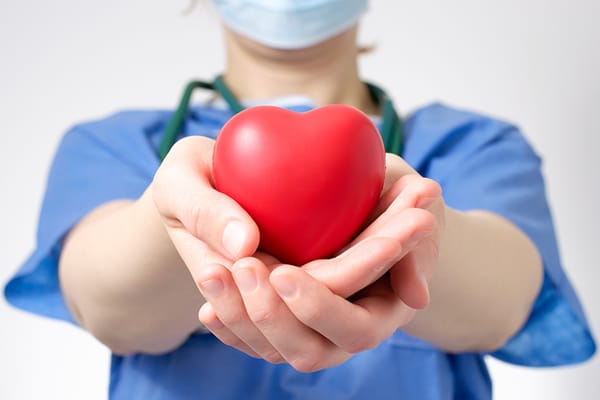
Every single day, lives are saved and transformed through organ donation. Yet, despite the live-saving impact of organ donation, there is still a critical shortage of donors. Thinking about organ donation can be an uncomfortable topic for some but knowing you can have a profound effect on countless lives is unmatched.
What is the need for organ donors in the United States?
According to organ donation statistics, over 104,000 people, including children, are on the national transplant waiting list. Of those 104,000, 17 people on this list die as they wait for a life-saving transplant. Sometimes tissues and organs – a kidney, for example – can be made as a living donation, which provides the longest and most positive outcomes for donor recipients.
“Every day, I see how urgently patients are waiting for a transplant that could change or save their life,” says transplant surgeon Dr. Monica Rebielak. “Increasing awareness and participation in organ donation is critical to closing that gap.
While 36% of the population is comprised of ethnic minorities, 63% of those on waiting lists are minorities. To provide the best possible organ donations for patients, there is a desperate need to increase organ donations from minorities.
What are the top 5 reasons to become an organ donor?
1. One organ donor can save up to 85 lives.
From kidneys to hearts, you decision to become an organ donor could give someone the chance to live a full and healthy life. There are 12 different tissues and organs that can be transplanted to heal others. By donating, you can save eight lives, restore sight to two blind people, and heal the lives of 75 others with your tissues.
2. You don’t need perfect health.
Many people think they can’t be organ donors due to age or medical history, but that’s often not the case. Medical professionals evaluate each donor’s eligibility at the time of death, so don’t rule yourself out!
3. Everyone is welcome.
There are no restrictions to becoming an organ donor. You may register as an organ donor if you are 18 years or older or, with permission from a parent or legal guardian, between the ages of 14 and 17. Children age 13 and younger can register with a signed consent from their parent or guardian.
4. It could be you – or a loved one.
Organ donation hits closer to home than many realize. At any moment, you or someone you care about could find themselves in need of a life-saving transplant. By choosing to be a donor, you’re not only giving hope to strangers, but also contributing to a system that could one day help you or someone you love.
5. It’s quick and easy to register.
Becoming an organ donor is as simple as checking a box at the DMV or signing up online. This small step takes only a few minutes but has the potential to change lives forever.
- Register for the National Donate Life Registry
- Register for the National Donate Life Living Donor Registry
- Register to be a Donor at the DMV
Becoming an organ donor is a simple decision that can make a huge difference. By signing up, you’re giving over 100,000 others the opportunity to live longer, healthier lives. Take a few minutes to register today – it’s an easy step that could save lives tomorrow.

MonicaRebielak , DO
Dr. Rebielak joined The Iowa Clinic's Transplant Surgery department, attracted by the Clinic’s dedication to delivering exceptional patient care in a collaborative environment. With extensive training in complex kidney and liver surgeries, Dr. Rebielak chose to specialize in transplantation due to its transformative impact on both donors and recipients. Witnessing the dramatic improvement in her patients' quality of life is one of the most fulfilling aspects of her work.
A Chicago native and fluent in Polish, Dr. Rebielak is passionate about serving the Midwest community she calls home. Outside of her practice, she enjoys exploring museums, camping, and spending quality time with her family.