

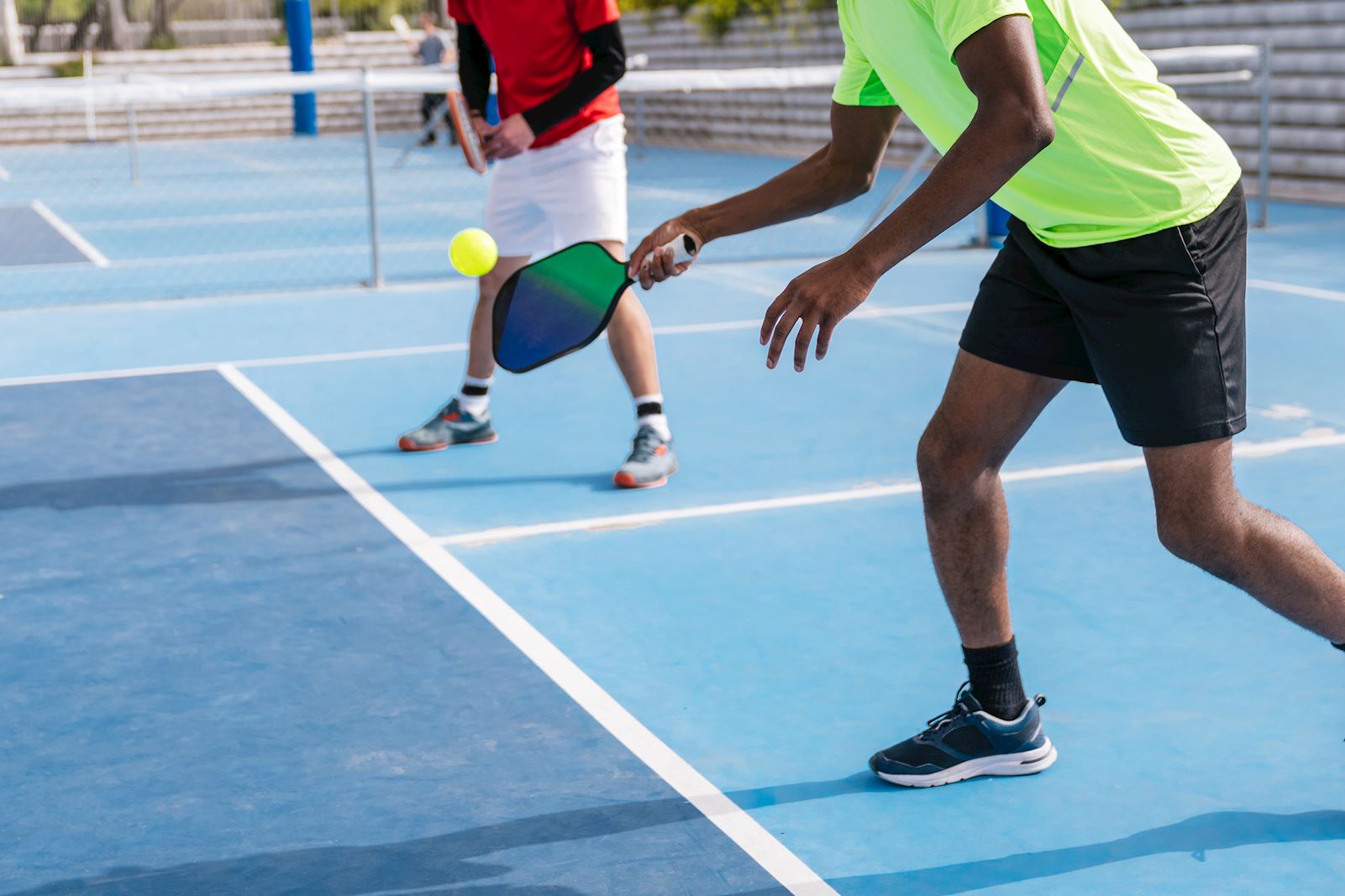
Pickleball continues to grow in popularity, attracting players of all ages who enjoy the fast-paced mix of tennis, badminton and ping-pong. While the sport is generally low-impact, the quick lateral movements, sudden stops and frequent pivots can place stress on the feet, ankles and lower body.
Minor aches after a game are common, but certain symptoms shouldn’t be ignored.
“Pickleball involves a lot of quick direction changes and explosive movements,” says Dr. Alivia Passet, foot and ankle surgeon at The Iowa Clinic. “When pain or instability starts affecting how you move on the court, it can be a sign that something more serious is developing.”
Recognizing early warning signs can help prevent small problems from turning into injuries that keep you off the court for weeks or months.
Ankle Instability
If your ankle frequently feels like it might “give out” while moving, pivoting or landing, it could indicate ankle instability. This condition often develops after a previous ankle sprain that didn’t fully heal.
Because pickleball requires quick lateral movements and rapid direction changes, the ankle joint is under constant stress. When the ligaments that stabilize the ankle become stretched or weakened, the joint may struggle to support these movements safely.
Common symptoms of ankle instability include:
- A feeling that the ankle may “roll” or give out during play
- Repeated ankle sprains
- Wobbliness or weakness when changing directions
- Difficulty maintaining balance on one foot
- Persistent swelling or discomfort after activity
Without proper treatment and strengthening, ankle instability can increase the risk of repeated injuries and long-term joint problems.
Heel Pain That Doesn’t Improve
Heel pain is a common complaint among active pickleball players. While it may start as mild soreness after activity, ongoing pain at the bottom or back of the heel can indicate conditions such as plantar fasciitis or Achilles tendon irritation.
These conditions often develop gradually due to repetitive stress on the foot during running, lunging and quick push-offs on the court.
Warning signs of problematic heel pain include:
- Sharp pain in the heel with the first steps in the morning
- Pain that worsens after playing or exercising
- Tenderness along the bottom of the heel or arch
- Tightness or pain near the back of the heel and Achilles tendon
- Pain that returns every time you play
If heel pain continues for several weeks or begins interfering with daily activities, it may be time to seek medical evaluation.
Pain That Changes Your Gait
One of the most important warning signs to watch for is pain that causes you to change how you walk or move.
If you find yourself limping, shifting your weight to the opposite foot or adjusting your stride to avoid discomfort, your body may be compensating for an underlying injury. While this may temporarily reduce pain, it can create additional strain on other joints and muscles.
Signs your pain may be affecting your gait may include:
- Limping during or after games
- Favoring one leg or foot
- Difficulty pushing off during movement
- Uneven steps or shortened stride
- Pain that worsens the longer you walk or play
Changes in gait can place extra stress on the knees, hips, and lower back, potentially leading to additional injuries if left untreated.
Persistent Swelling or Stiffness
Some swelling after an intense match can be normal, especially if you’re playing for longer periods than usual. However, swelling or stiffness that lingers for several days may signal inflammation or damage within the joint.
Ongoing swelling may be associated with ligament sprains, tendon irritation or stress injuries in the foot or ankle.
Symptoms that should raise concern include:
- Swelling that lasts longer than 48-72 hours
- Stiffness that limits range of motion
- Pain when bearing weight
- Tenderness around the ankle or foot joints
- Warmth or redness around the affected area
Recurring Pain During Play
Occasional soreness after exercise is normal, but pain that consistently returns during pickleball games should not be ignored. If discomfort appears during specific movements — such as quick pivots, lateral shuffles or sudden stops — it may indicate strain in the foot, ankle or surrounding tendons.
This may feel like:
- Sharp pain during quick direction changes
- Aching or throbbing during or after games
- Pain when pushing off the foot to move
- Discomfort that improves with rest but returns when playing again
Staying active is important for overall health, and pickleball is a great way to maintain fitness and social connection. However, ignoring persistent symptoms can turn manageable conditions into more serious injuries.
If you notice ongoing pain, instability or changes in how you move, our team of foot and ankle specialists can help you recover faster and return to the court safely. Call 515.875.9876 to schedule your appointment today.

AliviaPasset , DPM
Alivia Passet, DPM joined The Iowa Clinic Podiatry department stemming from her admiration for its reputation for exceptional providers and patient care. Dr. Passet values the close relationships amongst TIC providers, which provides the opportunity to streamline patient care.
After obtaining her undergraduate degree in Athletic Training, Dr. Passet completed her medical degree at Des Moines University and later completed her residency training at the Iowa Methodist Podiatric Medicine and Surgery program. Her background in Athletic Training, combined with personal experiences with athletic injuries, fuels her special interest in treating athletes and athletic injuries. Helping patients to return to a pain-free, active lifestyle is something Dr. Passet finds most rewarding about her practice.
An Iowa native, Dr. Passet is thrilled to serve the people of central Iowa. An enthusiastic fan of the Iowa Hawkeyes and Cincinnati Bengals, she is an avid sports-watcher and dedicated fan. In her free time, Dr. Passet enjoys spending time with friends and family, cooking and being outdoors – whether golfing, biking, or running.