
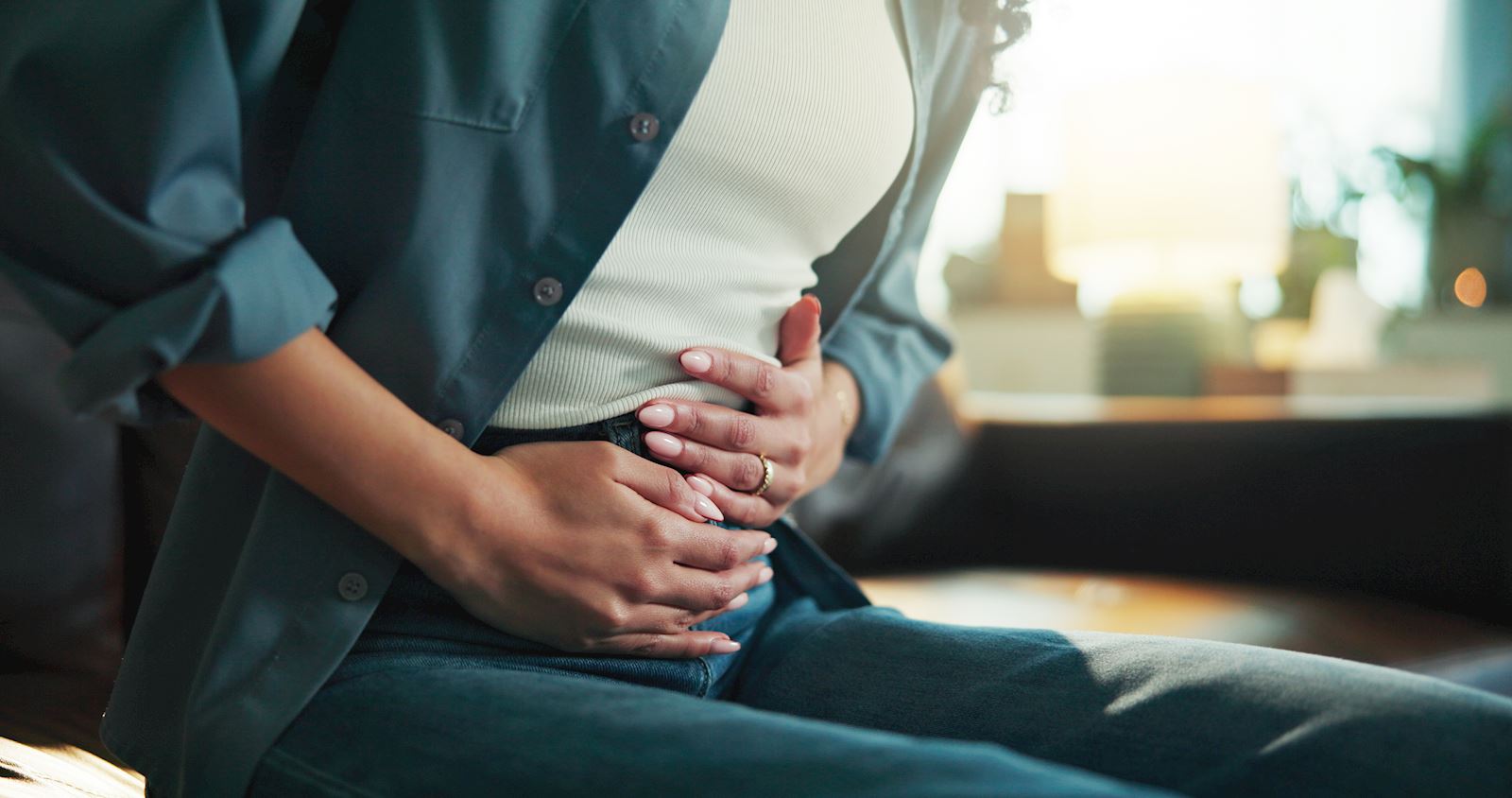
Endometriosis and polycystic ovary syndrome (PCOS) are two common conditions that affect women during their reproductive years. While they can share overlapping symptoms – including irregular periods and difficulty becoming pregnant – they are distinct conditions with different causes, diagnostic approaches, and treatments.
Because symptoms may look similar on the surface, it’s not uncommon for one condition to be mistaken for the other. Understanding the differences between endometriosis and PCOS can help patients recognize symptoms sooner and seek appropriate care.
What is Endometriosis?
Endometriosis is a chronic condition in which tissue similar to the lining of the uterus grows outside of the uterus. Normally, the uterine lining thickens and sheds during each menstrual cycle. In endometriosis, this tissue has no way to exit the body, which can lead to inflammation, scarring, and pain over time.
“Endometriosis is more than just painful periods,” says Dr. Alicia Toncar, OB/GYN at The Iowa Clinic. “It can impact work, relationships, and mental health – especially when symptoms are dismissed or go undiagnosed for years.”
Endometriosis can interfere with daily activities and quality of life, particularly when pain becomes chronic or progressive.
Endometrial-like tissue may grow on or near the:
- Ovaries
- Fallopian tubes
- Outer surface of the uterus
- Ligaments supporting the uterus
- Bladder or bowel
- Rectum
- Abdomen or pelvic lining
- In rare cases, areas such as the diaphragm or lungs
What Causes Endometriosis?
The exact cause of endometriosis is not fully understood. However, several factors may increase the risk of developing the condition, including:
- A family history of endometriosis
- Heavy or prolonged menstrual periods
- Higher estrogen levels
- Starting periods at a young age
- Short menstrual cycles
- Conditions that interfere with normal menstrual flow
“If someone is experiencing severe or worsening period pain, that’s not something they should just push through,” says Dr. Toncar. “Those symptoms deserve to be evaluated.”
How is Endometriosis Diagnosed and Treated?
Evaluation typically begins with a detailed symptom history and pelvic exam. Imaging, such as ultrasound, may help identify abnormalities, but endometriosis can only be definitively diagnosed through laparoscopy. During a laparoscopic procedure, a physician can view pelvic organs directly and confirm the diagnosis through tissue sampling.
Treatment for endometriosis focuses on symptom management and may include:
- Hormonal birth control to regulate or suppress periods
- Pain-relieving medications
- Progestin therapy
- Laparoscopic surgery to remove endometrial-like tissue
- In severe cases, a hysterectomy may be considered, though this is typically a last-resort option.
What is Polycystic Ovary Syndrome (PCOS)?
Polycystic ovary syndrome (PCOS) is a hormonal disorder that occurs when the ovaries produce higher-than-normal levels of androgens. This hormone imbalance can interfere with ovulation, menstrual cycles, and metabolism.
In a typical menstrual cycle, a mature egg is released from the ovary. With PCOS, ovulation may occur irregularly or not at all, causing immature eggs to remain in the ovaries. Over time, this can lead to enlarged ovaries and the appearance of small fluid-filled sacs, often referred to as cysts.
What Causes PCOS?
There is no single known cause of PCOS, but research suggests several contributing factors:
- Genetics, including a family history of PCOS
- Insulin resistance, which can increase androgen production
- Obesity, which may worsen hormone imbalance
- Low-grade inflammation that persists even without illness
Because PCOS affects multiple body systems, diagnosis and treatment often involve a collaborative care approach.
How is PCOS Diagnosed and Treated?
PCOS diagnosis starts with reviewing medical history, symptoms, and a pelvic exam. Blood tests may be used to evaluate hormone and glucose levels. Treatment for PCOS depends on symptoms of the patient and reproductive goals.
For those trying to conceive, treatment may include:
- Lifestyle changes, including diet and exercise
- Weight loss to improve insulin sensitivity
- Ovulation-inducing medications
For those not trying to conceive, treatment may include:
- Birth control pills to regulate cycles
- Medications to reduce insulin resistance
- Treatments for acne, excess hair growth, or other symptoms
Endometriosis vs PCOS Symptoms Compared
Although both conditions can impact fertility and menstrual cycles, their symptoms tend to differ. Endometriosis is more commonly associated with pain, while PCOS is often linked to hormonal and metabolic changes.
Endometriosis | PCOS |
Severe or worsening pain | Irregular or missed periods |
Excess facial or body hair | |
Chronic pelvic, abdominal, or back pain | Weight gain |
Heavy menstrual bleeding | Insulin resistance or diabetes |
Painful bowel movements during periods | Enlarged ovaries |
Difficulty becoming pregnant | Acne or oily skin |
Fatigue | Darkened skin patches |
Early Diagnosis Can Improve Quality of Life
Although neither endometriosis nor PCOS has a cure, early diagnosis and personalized care can improve symptoms and long-term health.
If you are experiencing symptoms such as severe period pain, irregular cycles, unexplained pelvic discomfort, or difficulty becoming pregnant, it’s important to talk with a healthcare provider.
The Iowa Clinic OB/GYN team provides comprehensive, personalized care for conditions like endometriosis and PCOS. Our providers take the time to listen, evaluate symptoms thoroughly, and develop treatment plans tailored to each patient’s goals.
If something doesn’t feel right, trust your instincts. Schedule an appointment with our OB/GYN team by calling 515.875.9290 and take the first step towards answers, relief, and better quality of life.

AliciaToncar , DO
Alicia Toncar, DO joined The Iowa Clinic OB/GYN department in 2025, bringing a strong commitment to compassionate, patient-centered care. After completing her residency at Kern Medical, Dr. Toncar returned to central Iowa to serve the community where she was raised. She chose obstetrics and gynecology for its unique blend of clinic, surgery, and inpatient care, and for the opportunity to build lasting relationships with patients throughout every stage of life.
Outside of medicine, Dr. Toncar enjoys spending time with family and friends, cooking, weightlifting, and traveling. If she hadn’t pursued a career in healthcare, she might have become an engineer.