
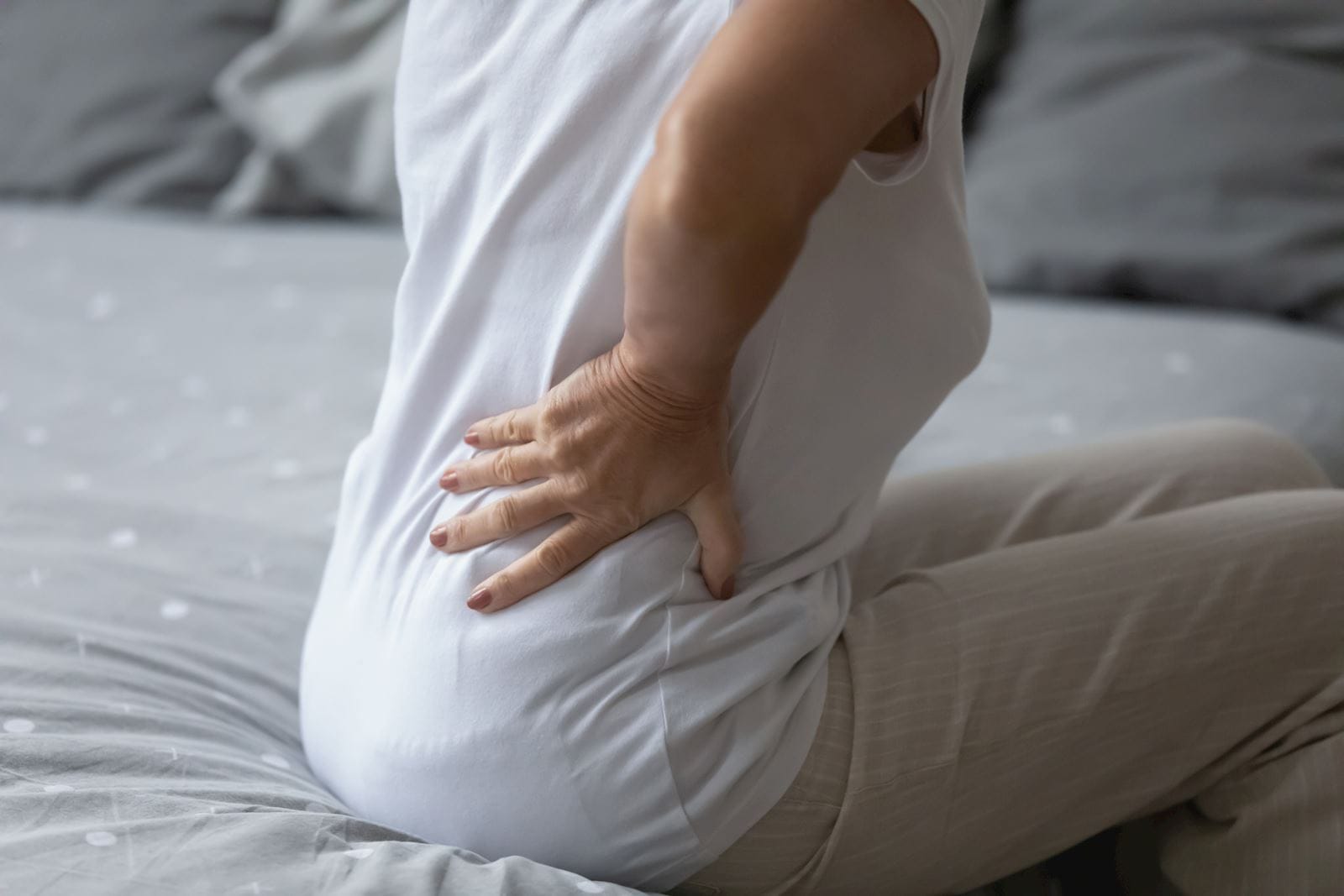
They can be as small as a grain of sand, but kidney stones can pack a punch. One minute you feel completely fine. The next, you’re doubled over in intense pain, trying to muster the strength to make it to the emergency room.
How can something so small hurt so much?
Kidney stone pain usually begins once there’s an obstruction. Urine exits the kidney through a funnel-like area called the ureteropelvic junction. When a stone leaves the kidney and gets stuck there—or farther down in the ureter, the tube connecting the kidney to the bladder—it blocks urine flow. That pressure buildup is what causes the sudden, severe pain.
It’s also possible to have a kidney stone for years without knowing it. Some stones sit quietly in the kidney for decades before suddenly moving. When they do, that’s often the moment pain begins—seemingly out of nowhere.
Kidney stone pain is not always severe — or easy to identify.
Kidney stone pain isn’t always intense—or easy to pinpoint.
The kidneys sit in the flank area of the body, just below the ribcage in the back. Many people feel sharp pain on one side of the back or torso, depending on which kidney is affected. But the body doesn’t always follow a textbook pattern.
Pain can show up in the abdomen or groin. It may start high near the kidneys and move downward as the stone travels. For some, the pain is severe but brief. For others, it’s dull, vague, and persistent—similar to a stubborn stomach ache.
Non-obstructing kidney stones may cause mild aching or discomfort, while acute pain usually signals obstruction. Kidney stone pain also tends to be sporadic, coming in waves. You might feel intense pain followed by periods of relief, only for it to return again.
Because everyone experiences pain differently, symptoms can be confusing. You might think the stone has passed when the pain fades—only to have it come roaring back. A stone isn’t fully passed until it actually leaves the body.
 Other warning signs of kidney stones may be more noticeable.
Not all kidney stones cause pain. Some don’t present any symptoms whatsoever. But when symptoms do appear, they are clear signs that something’s off and that you need to see a doctor:
1. Nausea and Vomiting
Kidney stones can make you feel sick to your stomach. But not in the way you normally would from the stomach flu or food poisoning. The pain can be so excruciating that it makes you queasy or even makes you puke. If the pain is radiating from your right side, these symptoms might lead you to think that your appendix burst — even more reason to get checked out.
2. Blood in the Urine
Seeing your pee take on a shade of pink or red is alarming. But it actually takes only a little bit of blood to change the color or urine. Some medications and red foods like beets and rhubarb can have this effect but you should get it checked out no matter what. Blood in the urine could be from a kidney stone or many other problems — some serious like kidney, bladder or prostate cancer.
3. Cloudy or Foul-Smelling Pee
Urine can change in other ways too. Kidney stones are born out of the crystallization of concentrated minerals in your pee. Concentrated urine is darker, cloudier and stinkier — similar to when you’re dehydrated. The strong odor is often compared to ammonia, but it’s more likely that the smell stems from a urinary tract infection than a kidney stone.
4. Problems with Flow
An obstruction by a kidney stone doesn’t only cause pain. It can create a variety of pee problems. As the stone moves further down the urinary tract close to the bladder, you may feel more urgency to go more often and feel pain when you pee. Kidney stones can even be on both sides at once and stop the flow of urine altogether, which, although rare, is a medical emergency.
5. Fever and Chills
Some people complain of flu-like symptoms when they have kidney stones. And that’s a bigger problem than a simple stone. If you’re running a fever, having chills or shivering, you may have an infection in your kidneys or urinary tract as well. You should get urgent medical attention.
Kidney stone symptoms and risk varies between men and women.
Men are about twice as likely as women to develop kidney stones, though that gap has narrowed in recent years. Genetics play a significant role for both sexes — having a family history of kidney stones increases your risk substantially.
Other contributing factors include diet, dehydration, warm climates, and certain medications.
Dehydration is the biggest risk factor. People who work outdoors or sweat heavily are especially vulnerable because they lose fluids throughout the day and may not replace them adequately.
Anatomical differences can also influence symptoms. Men often describe kidney stone pain as radiating through the abdomen, lower back, or groin—sometimes compared to labor pain. Women may experience pain similar to severe menstrual cramps that escalate from dull aches to sharp, intense discomfort.
One thing both men and women agree on: kidney stones hurt — a lot.
There’s always someone to talk to about your symptoms.
Kidney stone pain often comes and goes, but you don’t have to wait for it to pass or for additional symptoms to appear before seeking care. Severe pain should always be evaluated, especially since there’s no way to predict if or when a stone will pass.
If you’re experiencing pain with or without changes in urination, nausea, vomiting — or especially fever and chills — contact your healthcare provider right away. Whether that means Primary Care, Urgent Care, or the Emergency Room, getting help early can prevent complications and get you relief sooner.